
Larry Fink The CEO of BlackRock Economist, Politician, Financer, Family, Bio, Net Worth
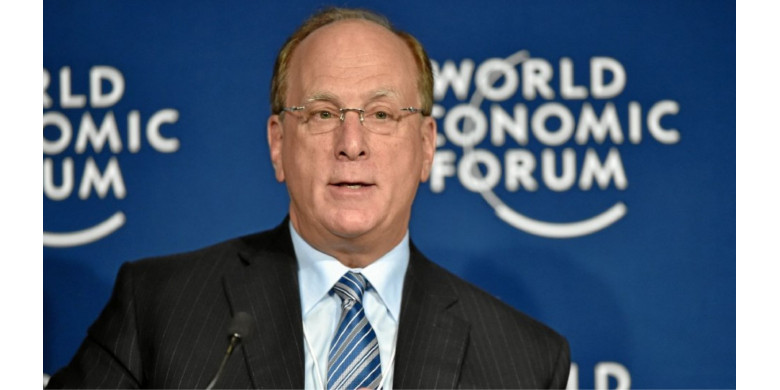
Quick Facts
- Country
 USA
USA- Age
- 73 Years (as of August 4, 2026)
- Born
- 2 November 1952
- Birthplace
- Van Nuys, California, USA
- Profession
- Economist, Politician, Financer, Billionaire, Investor, Business Man, Entrepreneur
- Zodiac
- ♏ Scorpio
- Net worth
- $1.3 Billion
Larry Fink is the co-founder, chairman, and CEO of BlackRock, the world’s largest asset management firm, which controls approximately $14 trillion in assets.
Early Life
Lawrence Douglas Fink was born on November 2 1952 in Van Nuys, California. His parents are Lila and Frederick Fink. His mother worked as a professor. His father owned a shoe store. He grew up in a family with his two siblings. After completing school he enrolled at the University of California Los Angeles. He earned a bachelors degree in science. He was also a member of the Kappa Beta Phi fraternity. He then received an MBA degree in Real Estate at the UCLA Anderson Graduate School of Management in 1976.
General Information
| Date of Birth | November 2, 1952 |
| Age | 73 Years (as of August 4, 2026) |
| Screen Name | Larry Fink |
| First Name | Larry |
| Full Name | Laurence Douglas Fink |
| Gender | Male |
| Father | Frederick Fink (1925–2013), shoe store owner |
| Mother | Lila Fink (1930–2012), English professor |
| Siblings | Two (Larry was one of three children in the Fink family; names Will Update Soon) |
| Religion | Jewish |
| Birth Place | Van Nuys, California, USA |
| Residence | New York City, USA |
| Nationality | American |
| Profession | Economist, Politician, Financer, Billionaire, Investor, Business Man, Entrepreneur |
| Education | University of California, Los Angeles (UCLA) (1974), MBA in Real Estate from UCLA (1976) |
| Spouse | Lori Weider (m. 1974) |
| No. of Children | 3 |
| Awards | ABANA Achievement Award (2016), TIME 100 Most Influential People (2025), Chairman of the World Economic Forum (since August 2025) |
| Zodiac Sign | Scorpio |
| Chinese Zodiac Sign | Dragon |
| Weight | Will Update Soon |
| Height | Will Update Soon |
| Eye Color | Will Update Soon |
| Net Worth | $1.3 Billion (Forbes, March 2026) |
| Category | Economist, Politician, Financer, Billionaire, Investor, Business Man, Entrepreneur |
Online Profiles & Databases
| Wikipedia | Wikipedia |
| Famous Birthdays | Famous Birthdays |
| Baidu Wiki | Baidu Wiki |
| Grokipedia | Grokipedia |
Personal Life
Larry Fink and his wife Lori have been married since 1974. They own homes in Manhattan, North Salem, New York and Colorado. Together they have three children. Larry Fink has been a supporter of the Democratic Party. Larry Fink has served on the board of trustees, for New York University. He also co-chairs the NYU Langone Medical Center. He is a trustee of the Boys and Girls Club of New York.
Early Career
Larry Finks career in finance began in 1976. He joined First Boston, a New York-based investment bank. He quickly rose through the ranks. He co-founded BlackRock in 1988 under The Blackstone Group. He became its director and CEO. When BlackRock split from Blackstone in 1994 Larry Fink retained his positions. He became chairman in 1998. Under Larry Finks leadership BlackRock experienced growth and success. In 2006 the company merged with Merrill Lynch Investment Managers. This merger doubled BlackRocks asset management portfolio. BlackRock went public in 1999. It became the money-management firm globally in 2009 after acquiring Barclays Global Investors. Larry Finks expertise and leadership were recognized. He was contracted by the U.S. Government to aid in the recovery efforts following the 2008 crisis.
Larry Fink: Companies
Larry Fink is primarily associated with BlackRock. BlackRock is the worlds money-management firm. He co-founded the company in 1988. He has served as its chairman and CEO since 1998. BlackRock is known for its asset management services. It has an impact on the global financial markets.
Larry Fink: Major Achievements
Larry Finks achievements include building BlackRock into the worlds largest money-management firm. It has over $10 trillion in assets under management. He successfully navigated the company through the 2008 crisis. He played a role in the U.S. Governments recovery efforts. Larry Fink is also recognized for his advocacy for corporations to actively contribute to improving the environment. He advocates for improving communities and workforce diversity.
Larry Fink: Awards & Achievements
Larry Fink has received awards and recognitions. He has been recognized for his contributions to the industry and society. Some of his honors include the Golden Plate Award of the American Academy of Achievement. He received this award in 2007. He received the Appeal of Conscience Award in 2015. He received the Americas Society Gold Medal in 2015. He received the UCLA Medal in 2016. He received the Charles Schwab Financial Innovation Award in 2019.
Larry Fink: Personal Life & Legacy
Larry Fink is known for his philanthropic efforts and community involvement. He serves on the board of trustees of New York University. He co-chairs the NYU Langone Medical Center board of trustees. Larry Fink is also a trustee of the Boys and Girls Club of New York. He is a trustee of the Robin Hood Foundation. In 2009 he founded the Lori and Laurence Fink Center for Finance & Investments at UCLA Anderson. Larry Finks legacy lies in his impact on the financial industry. He is committed to using finance as a force for change. He is an advocate for responsible investing. He believes that corporations have a responsibility to contribute to societys well-being.
Larry Fink: Trivia
Larry Fink is a supporter of the Democratic Party. He joined a business forum assembled by president-elect Donald Trump in December 2016. He has been criticized for BlackRocks investments in weapon manufacturers. He has been criticized for BlackRocks involvement in climate change. This led to his inclusion as one of the US’ top “climate villains” by The Guardian in 2022.
BlackRock
In 1988 Larry Fink co-founded BlackRock under the umbrella of Stephen Schwarzmans Blackstone Group. He became its director and CEO. BlackRock later split from The Blackstone Group in 1994. Larry Fink retained his position as director and CEO. He led the company as it went public in 1999.
Founding and Growth of BlackRock
In 1988, Fink, along with seven partners, founded BlackRock under the umbrella of the private equity firm Blackstone Group. Initially, BlackRock focused on managing fixed-income investments. In 1994, BlackRock separated from Blackstone and became an independent company.
Under Fink’s leadership, BlackRock experienced remarkable growth, both organically and through strategic acquisitions. Key milestones include:
- 1999: BlackRock went public.
- 2006: BlackRock merged with Merrill Lynch Investment Managers, significantly expanding its asset base and global reach.
- 2009: BlackRock acquired Barclays Global Investors (BGI), including its iShares exchange-traded fund (ETF) business, making BlackRock the world’s largest asset manager.
Today, BlackRock manages trillions of dollars in assets on behalf of institutions and individuals worldwide. Its influence extends across global financial markets, making Fink one of the most powerful figures in the financial industry.
Views on Corporate Governance and Social Responsibility
Larry Fink has become increasingly vocal about the role of corporations in society. He argues that companies must have a purpose beyond simply generating profits and that they should consider the interests of all stakeholders, including employees, customers, communities, and the environment.
In his annual letters to CEOs, Fink has emphasized the importance of environmental, social, and governance (ESG) factors in investment decisions. He has urged companies to disclose their strategies for addressing climate change and to demonstrate how they are contributing to a more sustainable and equitable future.
Fink’s views on corporate governance and social responsibility have been both praised and criticized. Supporters argue that he is using BlackRock’s influence to promote positive change and to encourage companies to adopt more responsible business practices. Critics, on the other hand, accuse him of “woke capitalism” and argue that his focus on ESG is a distraction from BlackRock’s primary responsibility to maximize shareholder value.
Controversies and Criticisms
Despite his success and influence, Larry Fink has faced several controversies and criticisms:
- Conflicts of Interest: BlackRock’s size and scope have raised concerns about potential conflicts of interest. The company manages investments for a wide range of clients, including pension funds, sovereign wealth funds, and corporations, which could create situations where BlackRock’s interests are not aligned with those of its clients.
- Climate Change: While Fink has called for companies to address climate change, some critics argue that BlackRock’s own investments in fossil fuels undermine its commitment to sustainability. BlackRock is one of the largest investors in fossil fuel companies, and it has been slow to divest from these assets.
- Political Influence: BlackRock’s influence in Washington has also drawn scrutiny. The company has close ties to government officials, and some critics worry that it uses its political connections to advance its own interests.
- ESG Investing: As mentioned earlier, Fink’s emphasis on ESG investing has been met with resistance from some quarters. Critics argue that ESG is a subjective and politically motivated concept that can lead to poor investment decisions. Some have even launched campaigns to push back against BlackRock’s ESG agenda.
Impact and Legacy
Larry Fink’s impact on the financial industry is undeniable. He has built BlackRock into the world’s largest asset manager and has played a significant role in shaping the modern investment landscape. His views on corporate governance and social responsibility have sparked a global debate about the role of business in society.
Whether he is viewed as a visionary leader or a controversial figure, Fink’s influence will continue to be felt for years to come. His legacy will likely be defined by his efforts to promote sustainable investing and to encourage companies to consider the interests of all stakeholders. However, he will also be remembered for the controversies and criticisms that have surrounded his leadershi
Throughout the 2000s Larry Fink was involved in some headline news story events in the industry. In 2003 he was part of the negotiation of the resignation of the CEO of the New York Stock Exchange Richard Grasso. Grasso had been widely criticized for his $190 million pay package. In 2006 Larry Fink led the BlackRock merger with Merrill Lynch Investment Managers. The result of the merger doubled BlackRocks asset management portfolio.
In 2006 BlackRock also purchased a Manhattan housing complex the Stuyvesant Town – Peter Cooper Village for $5.4 billion. It was the residential real estate deal in American history. However the project ultimately ended in default. BlackRocks clients lost millions. In the years that followed however BlackRock would become an investor in real estate projects around the country.
In 2008 the U.S. Government contracted with BlackRock to help restore health to the industry following the financial meltdown of 2008. Larry Finks contract allowed him to build relationships with members of President Obamas administration. Some questions have since been raised about whether conflicts of interest have arisen due to this relationship. As BlackRock later hired former executive branch appointees to the firm.
In December of 2009 BlackRock purchased Barclays Global Investors. Following the deal BlackRock became the money management firm in the world. By 2016 BlackRock had $5 trillion under management. It had over 12,000 employees in 27 countries.
In 2016 Larry Fink received the Achievement Award in New York City. The award recognizes an individual who exemplifies leadership in banking and finance. It recognizes leadership in cooperation between the United States and the Middle East and North Africa. In 2018 Larry Fink was ranked in the spot on the “Forbes” list of the Worlds Most Powerful People. In 2019 he received the Charles Schwab Financial Innovation Award.
Larry Fink has tried to manage the perception of BlackRock. In 2018 he wrote in a letter to shareholders that large companies like BlackRock should be aware of their impact on society. However several anti-war organizations were unhappy with the statement. They were unhappy because BlackRock is the investor in weapons manufacturers through its U.S. Aerospace and Defense ETF. Larry Fink dealt with an on-stage encounter with the U.S. Non-profit organization Code Pink at the Yahoo Finance All Markets Summit in 2018.
He also announced that environmental sustainability is one of the goals of BlackRocks future investment decisions. He published a 2020 letter in which he explained this goal. He discussed how BlackRock would be cutting ties with investments that involved large environmental risks. However despite this effort Larry Fink was still named one of the countrys climate villains” by “The Guardian” in 2022. BlackRock was known to profit from deforestation. BlackRock has also faced heat for its ties to the Federal Reserve System. It has faced heat for behavior. It has faced heat for investing in China.
Net Worth and Salary
Larry Fink is a financial executive. He has a worth of $1 billion. Larry Fink is the chairman and CEO of BlackRock. BlackRock is an investment management corporation. It has over $10 trillion in assets under management. This makes it the largest money management firm.
Larry Fink co-founded BlackRock in 1988 under The Blackstone Group. Then it split in 1994. The company went public in 1999. He has also been Chairman of the Board. He has been Chair of the Corporate Council. He has been Chairman of the Executive and Leadership Committees. He has been Co-Chair of the Global Client Committees.
Billionaire Status
Larry Fink became a billionaire for the time in April 2018. At that point roughly $600 million of his worth was his equity in BlackRock. Larry Fink owns 0.7% of BlackRocks outstanding shares.
Salary
In a recent year Larry Fink has earned as little as $20 million. He has earned much as $40 million in salary compensation. This has made him one of the 20 paid CEOs in the world. For example in 2021 Larry Fink earned $36 million in compensation. This compensation was made up of:
- $1.5 million base salary
- $11.3 million bonus
- $18.4 million equity incentives
- $4.9 million deferred equity
Conclusion
Larry Fink is a complex and influential figure who has left an indelible mark on the financial world. His success in building BlackRock into a global powerhouse is a testament to his business acumen and leadership skills. His advocacy for corporate social responsibility has sparked important conversations about the role of business in society. While he has faced criticism and controversy, his impact on the financial industry and the broader world is undeniable. As BlackRock continues to grow and evolve, Fink’s legacy will continue to be debated and analyzed for years to come.
FAQs
What is Larry Fink’s current net worth?
Larry Fink’s current net worth is $1.34 billion.
What is Larry Fink’s current global rank among billionaires?
Larry Fink holds the 2846th position globally among billionaires.
What is Larry Fink’s current ranking within the United States?
Larry Fink holds the 629th position in United States.
What was the change in Larry Fink’s net worth compared to the previous year?
Larry Fink’s net worth increased by 97.07 million dollars compared to the previous year 2025, when his net worth was 1.24 billion dollars.
What is the recent change in Larry Fink’s net worth?
Larry Fink’s net worth increased by 8.63 million dollars recently, a 0.64% increase, with his net worth standing at 1.34 billion dollars.
What are Larry Fink’s main sources of wealth?
Larry Fink’s main source of income comes from Money Management.
In which industry does Larry Fink primarily operate?
Larry Fink is primarily involved in the Finance & Investments industry.
What is Larry Fink educational background?
Larry Fink holds a Master of Business Administration from Anderson School of Management and a Bachelor of Arts/Science from the University of California from Los Angeles.
How old is Larry Fink?
Larry Fink is 73 years old.
How many children does Larry Fink have?
Larry Fink has 3 children.
Who is Laurence Douglas Fink and what is his role at BlackRock?
Laurence Douglas Fink is an American billionaire businessman, co-founder, chairman, and CEO of BlackRock, the largest money-management firm globally.
How did Laurence Fink contribute to the financial industry throughout his career?
Fink started his career at First Boston in 1976, co-founded BlackRock in 1988, and played a crucial role in its growth, including leading mergers and the company going public. He also contributed to the U.S. government’s recovery efforts after the 2008 financial crisis.
What community and environmental efforts is Laurence Fink involved in?
Fink serves on various boards, including NYU and the Robin Hood Foundation, founded the Fink Center for Finance & Investments, and advocates for corporate responsibility in environmental improvement and workforce diversity.
What controversy surrounds Laurence Fink and his public honors?
Laurence Fink has been criticized for BlackRock’s investments in weapon manufacturers and involvement in climate change, being named a top “climate villain” by The Guardian in 2022. Despite this, he has received several honors, including the Golden Plate Award and the UCLA Medal.
Frequently Asked Questions
How old is Larry Fink The?
Larry Fink The is 73 years old (born 2 November 1952).
What is Larry Fink The's net worth?
Larry Fink The's estimated net worth is $1.3 Billion.
Where was Larry Fink The born?
Larry Fink The was born in Van Nuys, California, USA.
Which country is Larry Fink The from?
Larry Fink The is from USA.
What does Larry Fink The do?
Larry Fink The's profession is listed as Economist, Politician, Financer, Billionaire, Investor, Business Man, Entrepreneur.
What is Larry Fink The's zodiac sign?
Larry Fink The was born under the zodiac sign Scorpio.
Compare Net Worth
Larry Fink The CEO of BlackRock Economist
$1.3 Billion
VS
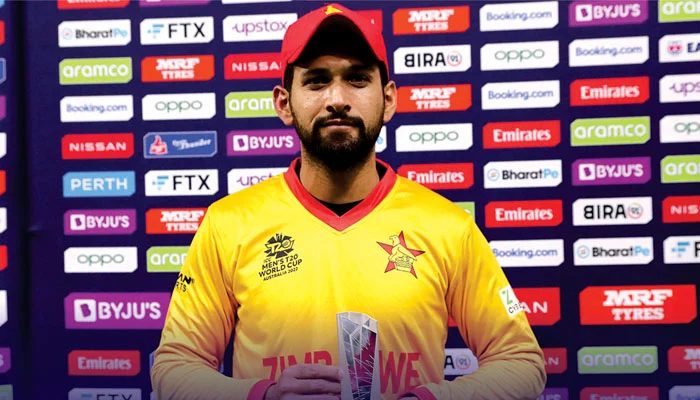 Sikandar Raza Cricketer
$5 Million
Who's richer? Compare now →
Sikandar Raza Cricketer
$5 Million
Who's richer? Compare now →

 Iran
Iran





Leave a Reply